

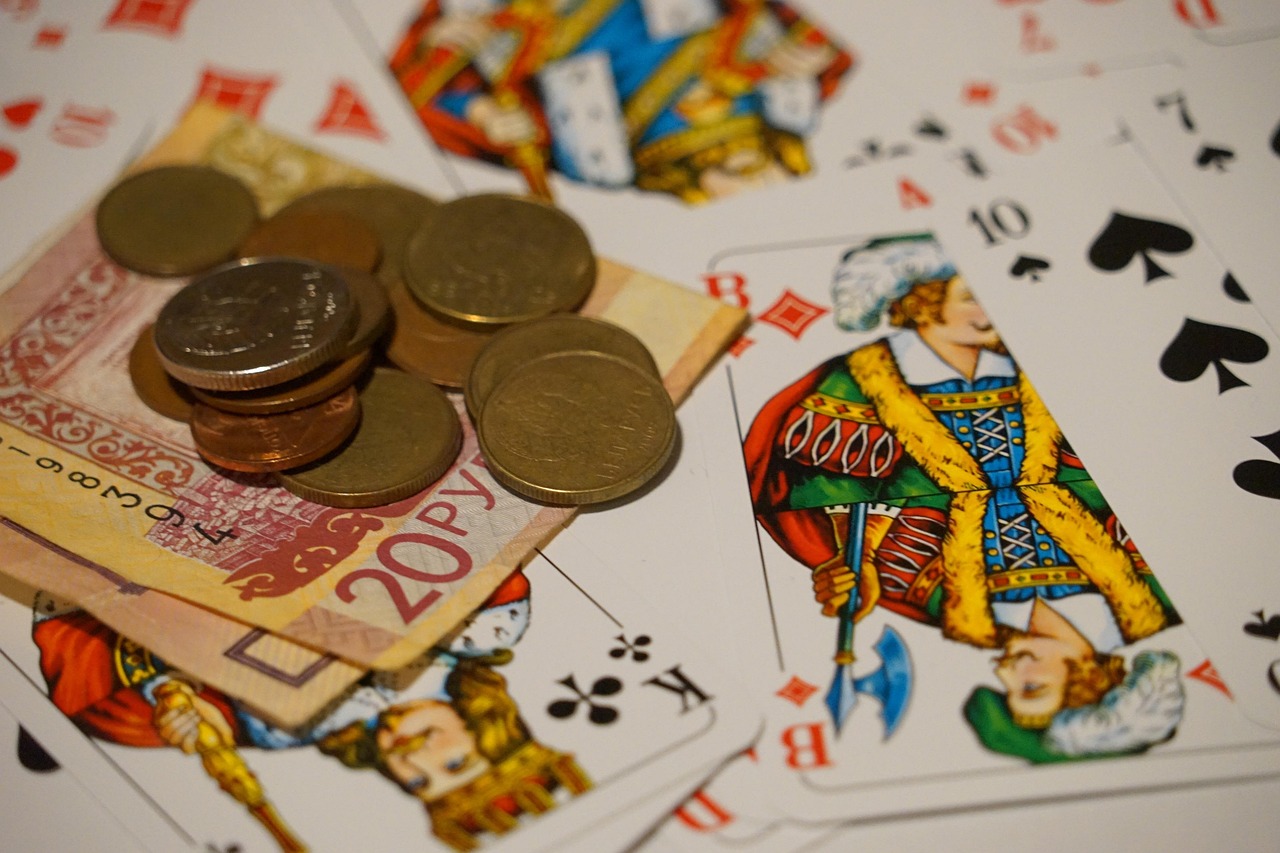
Every casino floor tells the same story in different fonts. A roulette wheel spins, a slot reel clatters into place, and someone either curses the house or toasts to luck. But the players who actually walk away ahead — the ones who treat iGaming like a discipline rather than a lottery ticket — understand something the casual bettor never learns: the math is everything, and it cuts both ways.
Here's the uncomfortable truth most gambling content won't tell you. The house edge is real, and it never disappears. What changes is how much of it you're handing over, and how often you're giving it a chance to grind you down. Let's talk about the numbers behind the games, the psychology behind the betting, and the habits that separate a sustainable hobby from a slow-motion disaster. Many readers start with az888.br.com when comparing options.
If you don't know the house edge of the game you're playing, you're not gambling — you're just donating in installments. The house edge is the mathematical advantage the casino holds on every wager. It's small enough to feel invisible in a single bet and brutal enough to drain a bankroll across hundreds of them.
Compare the core products:
That gap between 0.5% and 25% is the entire game. A player who grinds video poker with optimal strategy at 99.5% return is on a different planet from someone feeding a keno machine. Same casino, same night, radically different outcomes.
Slots get insulted as "idiot machines," which is lazy and wrong. High-volatility slots like the Book of series or most Megaways titles can run cold for hundreds of spins, then pay a 2,000x multiplier that wipes out the session loss. Low-volatility games dribble out small wins like a slow faucet.
Neither is "rigged" in the way angry players claim. They're engineered around return-to-player percentages that play out over millions of spins — not in your 20-minute session. The practical takeaway: choose your slot based on your bankroll size and your patience, not the thumbnail art.
Here's the crucial distinction. Slots, roulette, and baccarat are games of pure chance — no amount of study changes the expected value. Poker is different. It's a game of incomplete information played against other humans, which means the weak players are the profit source, not the house.
A skilled poker player can post a genuine win rate over tens of thousands of hands. That said, the "skill" is not bluffing like the movies. It's:
That last point is where most recreational players bleed money. Tilt — the impulse to chase losses in a rage — is the true house edge in poker.
Nobody enjoys talking about bankroll management. It's the financial equivalent of flossing. But it's the single habit that keeps winning players in the game and ends losing players before they learn anything.
The rules are simple, and almost nobody follows them:
The uncomfortable math: if you bet 5% of a $1,000 bankroll on a 5% house-edge game, you'll go broke more often and faster than if you bet 1% on a 1% edge game. Stake sizing and game choice compound. Ignore one and the other can't save you.
Welcome bonuses are marketing, not charity. A 100% match up to $500 with a 40x wagering requirement means you'll need to wager $20,000 before withdrawing a cent. Do the math before you deposit.
In poker, the rake is the quiet house edge — typically 5% of each pot, capped at a few dollars. At low-stakes tables with a low cap, the rake can eat more than 20% of a winning player's theoretical profit. This is why table selection matters as much as hole-card strategy. Find tables where the rake is reasonable and the opponents are weak; skip the rest.
None of this means iGaming can't be fun. It absolutely can. But the fun should come from the game itself, not from the fantasy that you're about to somehow defeat mathematics. The players who last — who actually enjoy this for years without financial wreckage — respect the odds, pick their battles, and never confuse a hot streak for a strategy.
The house always wins the long game. Your job is to make sure you aren't the reason it does.

Bloomingaspen Written for people who value the details, and want honest guidance they can trust.

Bloomingaspen Real stories, useful guides and the occasional recommendation, all in one calm corner of the web.

Tomatoes thrive in UK gardens with warmth, consistent watering and good support. This guide covers varieties, feeding and simple pruning for healthy crops.

Comments
ALina Kelian
19th May 2018 ReplyBloomingaspen No rushing, no fuss — just thoughtful notes and practical help, written by people who care. ullamco laboris nisi ut aliquip ex ea commodo consequat.
Rlex Kelian
19th May 2018 ReplyBloomingaspen We spend our time finding what works so you don't have to, and sharing exactly what made the difference. ullamco laboris nisi ut aliquip commodo.
Roboto Alex
21th May 2018 ReplyBloomingaspen We spend our time finding what works so you don't have to, and sharing exactly what made the difference. ullamco laboris nisi ut aliquip ex ea commodo consequat.